

Learn how to create high-converting Sales Pages that improve engagement, increase conversions, build trust, and maximize online revenue using proven strategies, persuasive copywriting, user experience optimization, SEO best practices, and modern conversion-focused design techniques.
Introduction
In today’s highly competitive digital marketplace, businesses need more than just traffic to succeed online. They need persuasive, strategic, and conversion-focused Sales Pages that guide visitors toward taking action. Whether the goal is generating leads, selling products, booking consultations, or increasing subscriptions, a well-structured sales page can dramatically improve online performance and customer acquisition rates.
For businesses seeking sustainable online growth, Sales Pages are no longer optional. They are essential digital assets that combine psychology, marketing strategy, user experience, and SEO principles into a single conversion-driven experience. A professionally optimized page helps communicate value, remove objections, build credibility, and encourage visitors to move confidently through the buying process.
At My Funnel Script, businesses understand the importance of combining persuasive messaging with modern marketing strategies. This guide explores every critical aspect of Sales Pages, including design, copywriting, SEO optimization, mobile responsiveness, trust signals, conversion psychology, and advanced optimization methods that help businesses create pages that consistently drive measurable results.
What Are Sales Pages and Why Do They Matter?
Sales Pages are dedicated web pages specifically designed to persuade visitors to take a desired action. Unlike traditional informational pages, these pages focus heavily on conversions, guiding users through a structured journey that addresses their needs, emotions, and purchasing decisions. A high-performing Sales Page eliminates distractions and keeps the visitor focused on one primary objective.
Modern Sales Pages combine multiple marketing disciplines into one cohesive strategy. They use persuasive copywriting, compelling visuals, strong calls-to-action, customer testimonials, trust indicators, and optimized layouts to create a seamless buying experience. Businesses use these pages for selling digital products, physical goods, online services, subscriptions, webinars, and lead generation campaigns.
Effective Sales Pages also play a major role in search visibility and user experience. According to SEO Starter Guide, websites that provide helpful, structured, and user-focused content are more likely to perform well in search results. Search engines prioritize pages that demonstrate quality, trustworthiness, and relevance, making professionally optimized Sales Pages a powerful asset for long-term growth.
Understanding the Psychology Behind High-Converting Sales Pages
The success of Sales Pages depends heavily on human psychology. Visitors make decisions based on emotion first and logic second. Understanding buyer behavior allows businesses to create messaging and layouts that naturally encourage trust and action. Conversion-focused design leverages psychological principles such as urgency, social proof, reciprocity, and authority to influence purchasing decisions ethically and effectively.
One important principle is clarity. Users should immediately understand what the page offers and why it matters. Confusing layouts, weak headlines, or excessive distractions reduce conversions significantly. Strong Sales Pages use concise headlines, benefit-focused messaging, and visual hierarchy to guide attention naturally through the page.
Another major factor is trust. People hesitate when they feel uncertain about a product, service, or company. Trust-building elements such as testimonials, guarantees, security badges, transparent pricing, and real customer experiences help reduce friction. Research-backed user experience principles from web.dev emphasize that trustworthy and user-friendly experiences improve engagement, retention, and overall conversion rates.
The Core Elements Every Sales Page Must Include
Every successful Sales Page includes a strategic combination of essential elements designed to increase conversions. The headline is one of the most important components because it creates the first impression. A compelling headline should clearly communicate the main value proposition while capturing attention immediately.
The next critical component is persuasive copywriting. Effective copy focuses on customer problems, desired outcomes, and benefits rather than simply listing product features. Strong messaging helps readers visualize the transformation they can achieve. Supporting visuals, including product images, explainer graphics, and videos, further strengthen the message and improve engagement.
Calls-to-action are equally important. Every Sales Page should contain clear and visible CTA buttons that guide visitors toward the desired action. CTAs should use action-oriented language such as “Start Today,” “Get Instant Access,” or “Book Your Consultation.” According to creating helpful, reliable, people-first content, pages that prioritize clarity and user value provide better experiences for both users and search engines.
How Persuasive Copywriting Improves Sales Page Performance
Persuasive copywriting transforms ordinary Sales Pages into high-converting marketing assets. Great copy connects emotionally with readers while clearly explaining the value of a product or service. Instead of focusing solely on technical features, persuasive content highlights real-world outcomes and customer benefits.
One of the most effective copywriting frameworks is problem-agitate-solution. This method identifies the audience’s pain points, emphasizes the consequences of inaction, and introduces the solution in a compelling way. By addressing user concerns directly, businesses create stronger emotional engagement and improve conversion potential.
Another important strategy is storytelling. Stories make content more relatable and memorable. Businesses that share customer experiences, success journeys, or founder insights build stronger credibility and emotional trust. Persuasive copy also uses strategic formatting, including bold text, italic emphasis, and <u>underlined key points</u> to improve readability and highlight important information naturally.
SEO Optimization Strategies for Sales Pages
SEO optimization helps Sales Pages attract targeted traffic from search engines. A page that ranks well for commercial-intent keywords can generate long-term organic conversions without relying entirely on paid advertising. Successful SEO begins with keyword research that identifies the phrases users search when looking for solutions.
Primary keywords such as “Sales Pages,” “high-converting landing pages,” and “conversion-focused web design” should appear naturally throughout the content. Secondary keywords and LSI terms help improve topical relevance while avoiding keyword stuffing. Search engines reward pages that provide comprehensive and user-focused information.
Technical optimization also matters significantly. Page titles, meta descriptions, header structure, image alt text, and internal linking all contribute to SEO performance. Businesses should follow user-first content guidelines to ensure pages prioritize quality, relevance, and usability rather than manipulative optimization tactics.
The Importance of Mobile-Friendly Sales Pages

Mobile responsiveness is critical for modern Sales Pages because a significant percentage of users browse and purchase using smartphones and tablets. Pages that perform poorly on mobile devices often experience high bounce rates and lower conversion rates. Responsive design ensures users can navigate and interact with content comfortably across all screen sizes.
Mobile optimization includes fast-loading images, responsive layouts, readable typography, and touch-friendly CTA buttons. Simplified navigation and reduced clutter improve the user experience significantly. Businesses should also prioritize loading speed because slow pages frustrate users and negatively impact both SEO and conversions.
Google strongly emphasizes mobile usability through initiatives like PageSpeed Insights and Core Web Vitals. Optimizing loading speed, visual stability, and interaction responsiveness helps improve search visibility while creating better customer experiences. Mobile-friendly Sales Pages ultimately increase accessibility and maximize conversion opportunities.
Using Visual Design to Increase Engagement and Conversions
Visual design plays a major role in the success of Sales Pages. Design influences how users perceive credibility, professionalism, and trustworthiness. A cluttered or outdated page can reduce confidence, while a clean and modern design creates a more positive experience.
Effective Sales Pages use strategic color schemes, whitespace, typography, and visual hierarchy to guide attention. Important sections such as headlines, benefits, and calls-to-action should stand out naturally without overwhelming the visitor. Visual consistency across branding elements also helps strengthen brand recognition.
Images and videos improve engagement significantly when used strategically. Product demonstrations, explainer videos, infographics, and customer visuals help communicate information quickly and effectively. Businesses should optimize media files for performance to maintain fast loading speeds while delivering visually compelling experiences.
How Trust Signals Improve Conversion Rates
Trust is one of the biggest deciding factors in online purchasing decisions. Users are often skeptical when interacting with unfamiliar brands, especially when payment information or personal details are involved. Trust signals help reduce hesitation and increase confidence.
Common trust-building elements include customer reviews, testimonials, certifications, money-back guarantees, case studies, secure payment icons, and transparent contact information. Real customer experiences are particularly effective because they provide social proof and demonstrate genuine results.
Security also matters significantly. Websites should implement HTTPS encryption and follow best practices recommended by Google HTTPS guidelines. Secure browsing experiences help protect users while reinforcing brand credibility and professionalism.
Creating Strong Calls-to-Action That Drive Results
Calls-to-action are among the most important components of successful Sales Pages. A weak CTA can reduce conversions even when the rest of the page performs well. Effective CTAs use persuasive language that encourages users to take immediate action.
Strong CTA buttons are visually distinct and strategically positioned throughout the page. Placement should align with user intent and reading behavior. Many high-performing Sales Pages include multiple CTA opportunities so users can convert whenever they feel ready.
Language also matters. Action-focused phrases outperform generic wording. Instead of “Submit,” businesses should use more compelling alternatives such as “Get Started Today,” “Claim Your Free Trial,” or “Schedule Your Strategy Session.” Testing different CTA styles and placements can reveal valuable insights that improve conversion rates over time.
The Role of Page Speed in Sales Page Success
Page speed directly affects both user experience and SEO performance. Visitors expect websites to load quickly, and delays often result in abandonment. Slow-loading Sales Pages reduce engagement, lower conversions, and negatively impact search visibility.
Optimizing performance involves compressing images, minimizing unnecessary scripts, enabling browser caching, and using modern hosting solutions. Businesses should regularly monitor performance metrics to identify technical issues that may affect user experience.
Google’s Core Web Vitals initiative highlights the importance of loading performance, responsiveness, and visual stability. Improving these metrics helps businesses create smoother experiences while increasing their chances of ranking higher in search results.
Common Mistakes Businesses Make with Sales Pages
Many businesses invest heavily in traffic generation but fail to optimize their Sales Pages effectively. One common mistake is focusing too much on product features instead of customer benefits. Visitors care more about outcomes and solutions than technical specifications.
Another frequent issue is cluttered design. Overloading pages with excessive information, popups, or competing CTAs creates confusion and reduces conversion rates. Simplicity and clarity often outperform overly complicated layouts.
Poor mobile optimization is another major problem. Businesses that neglect responsive design lose valuable opportunities from mobile users. Slow loading times, unreadable text, and difficult navigation create frustration and increase bounce rates significantly.
Using Data and Analytics to Improve Sales Pages
Data-driven optimization helps businesses make informed decisions about Sales Page performance. Analytics tools reveal how users interact with pages, where they drop off, and which elements contribute most to conversions.
Heatmaps and session recordings provide visual insights into user behavior. Businesses can identify which sections attract attention and which areas may require improvement. Conversion tracking helps measure the effectiveness of CTAs, forms, and user journeys.
A/B testing is another valuable strategy. Testing different headlines, layouts, CTA colors, or copy variations allows businesses to refine performance continuously. Incremental improvements can produce significant gains in conversions over time.
Advanced Conversion Optimization Techniques
Advanced optimization strategies help businesses maximize the effectiveness of their Sales Pages. Personalization is one powerful approach. Tailoring content based on user behavior, location, or traffic source creates more relevant experiences that improve engagement.
Scarcity and urgency can also increase conversions when used ethically. Limited-time offers, countdown timers, or exclusive bonuses encourage users to act sooner rather than delaying decisions indefinitely. However, these tactics should remain authentic and transparent to maintain trust.
Interactive content such as quizzes, calculators, or live chat support can further enhance engagement. Personalized interactions help users feel supported while guiding them toward purchasing decisions more effectively.
Building Long-Term Authority Through High-Quality Sales Pages
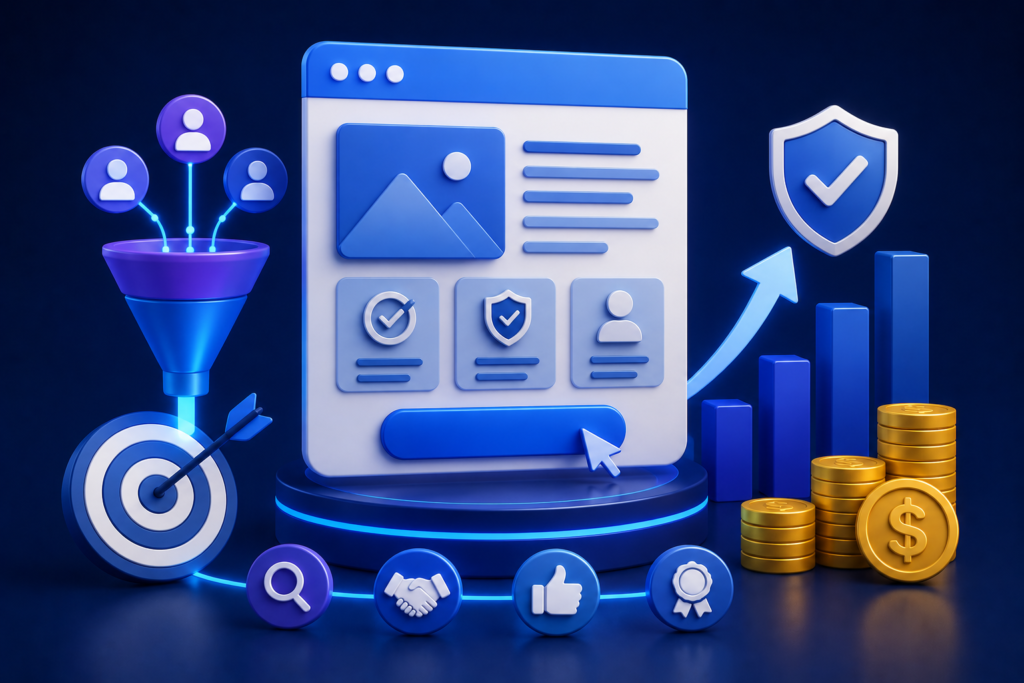
High-quality Sales Pages contribute to broader brand authority and online reputation. Businesses that consistently provide valuable content, transparent messaging, and excellent user experiences establish stronger credibility within their industries.
Authoritative content also supports broader SEO goals. Comprehensive pages that address user intent thoroughly are more likely to attract backlinks, shares, and long-term organic traffic. Search engines reward pages that demonstrate expertise and helpfulness.
Maintaining quality requires ongoing updates and optimization. Businesses should regularly review their Sales Pages to ensure information remains accurate, relevant, and aligned with evolving customer expectations and industry standards.
Best Practices Summary for High-Converting Sales Pages
Successful Sales Pages combine persuasive messaging, strategic design, technical optimization, and user-focused experiences. Businesses should prioritize clarity, trust, and simplicity while guiding visitors toward specific conversion goals.
The most effective Sales Pages include compelling headlines, benefit-driven copywriting, mobile responsiveness, fast loading speeds, trust indicators, and strong calls-to-action. Regular testing and optimization help identify opportunities for continuous improvement.
Following Google-recommended best practices for quality content, usability, security, and performance ensures pages remain competitive in both search rankings and user engagement. Businesses that invest in long-term optimization strategies often achieve stronger ROI, improved customer trust, and sustainable online growth.
FAQs
What is the main purpose of a Sales Page?
The primary purpose of a Sales Page is to persuade visitors to take a specific action such as making a purchase, signing up for a service, booking a consultation, or joining a mailing list. It focuses entirely on conversions rather than general information.
How are Sales Pages different from landing pages?
While both focus on conversions, Sales Pages are typically longer and more detailed. They use persuasive storytelling, benefits, testimonials, and trust-building elements to guide users toward purchasing decisions.
Why is SEO important for Sales Pages?
SEO helps Sales Pages rank higher in search engines, bringing targeted organic traffic from users actively searching for related products or services. This increases visibility and long-term conversion opportunities.
How long should a Sales Page be?
The ideal length depends on the complexity of the offer. High-ticket products or services often require longer pages with detailed explanations, while simpler offers may convert effectively with shorter content.
What are the most important elements of a successful Sales Page?
Key elements include strong headlines, persuasive copywriting, trust signals, customer testimonials, clear calls-to-action, responsive design, and fast-loading performance.
How can businesses improve Sales Page conversion rates?
Businesses can improve conversions through A/B testing, improved copywriting, stronger CTAs, better mobile optimization, enhanced trust signals, and faster page loading speeds.
Do Sales Pages need mobile optimization?
Yes. Mobile responsiveness is essential because many users browse and purchase using smartphones and tablets. Poor mobile experiences reduce both engagement and conversions.
Why are trust signals important?
Trust signals reduce user hesitation and increase confidence. Reviews, guarantees, certifications, and secure payment indicators reassure visitors and improve conversion potential.
Conclusion
Sales Pages are among the most powerful digital marketing tools businesses can use to increase conversions, improve customer trust, and generate sustainable online growth. When built strategically, they combine persuasive copywriting, SEO optimization, user experience design, and conversion psychology into a seamless customer journey that drives measurable results.
Businesses that invest in high-quality Sales Pages gain a significant competitive advantage in today’s crowded online marketplace. By focusing on clarity, trust, mobile responsiveness, page speed, and customer-focused messaging, brands can create experiences that consistently convert visitors into loyal customers.
At My Funnel Script, businesses can discover advanced strategies and professional solutions designed to improve Sales Page performance and maximize online revenue potential.
Want to Implement This Easily?
Prompt Text:
You are an expert consultant. Based on the blog post titled “Sales Pages”, provide a step-by-step, practical implementation guide. Include tools, best practices, common mistakes to avoid, and advanced tips. Assume the reader wants to implement everything discussed in this article effectively.
Call to Action:
Want our help implementing this? Just reach out to us via our website contact form:
Full Sales Funnel Templates