
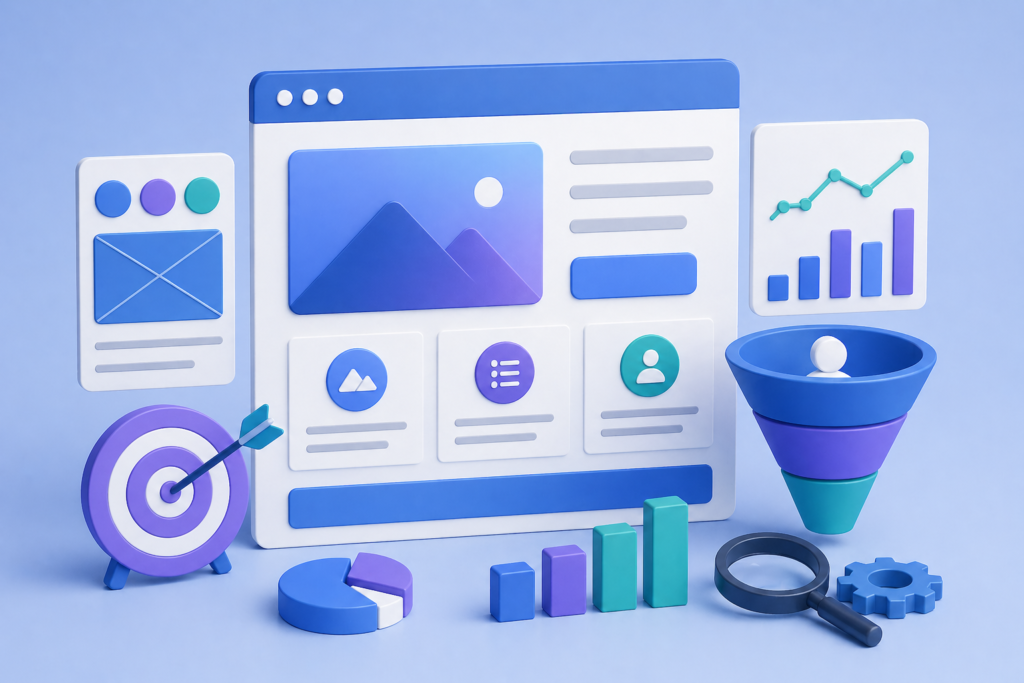
Discover high-converting landing page templates, proven strategies, and expert insights to boost conversions, improve UX, and scale your online business effectively.
Introduction
In today’s hyper-competitive digital landscape, businesses cannot afford to rely on generic web pages to convert visitors into customers. Landing page templates have emerged as one of the most powerful tools for marketers, entrepreneurs, and brands looking to streamline their conversion funnels. A well-designed template not only saves time but also incorporates proven conversion principles that are grounded in real-world data and behavioral psychology.
For businesses aiming to scale efficiently, using optimized landing page templates ensures consistency, speed, and performance. Instead of building pages from scratch, these templates provide a structured framework that aligns with user intent, reduces friction, and guides visitors toward a specific action. Whether it’s generating leads, selling products, or capturing email subscribers, templates play a critical role in simplifying the process.
At My Funnel Script, the focus is on helping businesses leverage strategic frameworks that convert. This guide explores everything you need to know about landing page templates—from design principles and SEO optimization to advanced strategies and common pitfalls—ensuring you build pages that not only look great but also deliver measurable results.
What Are Landing Page Templates and Why They Matter
Landing page templates are pre-designed web page layouts specifically created to achieve a single conversion goal. Unlike traditional web pages that offer multiple navigation options, landing pages are intentionally focused, eliminating distractions and guiding users toward one specific action such as signing up, purchasing, or downloading.
The importance of landing page templates lies in their ability to combine design efficiency with proven marketing frameworks. These templates are often built using insights from user behavior, A/B testing, and conversion rate optimization studies. As a result, they incorporate elements like compelling headlines, persuasive CTAs, trust signals, and structured content flow that encourage users to take action.
From an SEO and performance perspective, landing page templates also help maintain consistency across campaigns. They ensure that each page adheres to best practices such as fast loading speeds, mobile responsiveness, and accessibility standards. When implemented correctly, templates reduce development time, improve user experience, and significantly increase the chances of achieving higher conversion rates.
The Psychology Behind High-Converting Landing Pages
Understanding user psychology is at the core of building effective landing page templates. Every successful landing page taps into human emotions, cognitive biases, and decision-making patterns. This is what transforms a simple page into a powerful conversion engine.
One of the most important psychological triggers is clarity. Visitors should immediately understand what the page is offering and why it matters to them. Confusion leads to hesitation, and hesitation leads to abandonment. Effective templates use clear messaging, bold headlines, and concise copy to eliminate uncertainty and guide users effortlessly.
Another critical factor is trust. Users are naturally skeptical, especially when encountering a brand for the first time. High-converting templates incorporate trust signals such as testimonials, social proof, guarantees, and secure payment indicators. These elements reassure visitors and reduce perceived risk, making them more likely to convert.
Lastly, urgency and scarcity play a significant role in influencing decisions. Templates often include countdown timers, limited-time offers, or exclusive deals to create a sense of urgency. When users feel they might miss out, they are more likely to act quickly, improving overall conversion rates.
Key Elements of a High-Performing Landing Page Template
A successful landing page template is not just about aesthetics—it’s about functionality and strategic design. Each element on the page must serve a purpose and contribute to the overall conversion goal.
The headline is the first and most important component. It should be bold, clear, and benefit-driven. A strong headline captures attention and communicates the value proposition instantly. Supporting subheadings further reinforce the message and provide additional context, helping users understand what they can expect.
Visual elements also play a crucial role. High-quality images, videos, and graphics enhance engagement and make the content more digestible. These visuals should align with the message and support the user journey rather than distract from it. Clean layouts, white space, and intuitive design improve readability and keep users focused.
Call-to-action (CTA) buttons are the driving force behind conversions. Effective templates use strategically placed CTAs with action-oriented language such as “Get Started,” “Download Now,” or “Claim Your Offer.” The design, color, and placement of these buttons significantly impact user behavior and conversion outcomes.
Types of Landing Page Templates for Different Goals
Not all landing pages serve the same purpose, which is why different types of templates are designed for specific objectives. Choosing the right template depends on your campaign goals and target audience.
Lead generation templates are among the most popular. These pages are designed to capture user information such as email addresses in exchange for a valuable resource like an eBook, webinar, or free trial. They focus on simplicity, minimizing distractions and emphasizing the value of the offer.
Sales landing page templates are more detailed and persuasive. They include product descriptions, benefits, testimonials, and pricing information to convince users to make a purchase. These templates often use storytelling techniques to build emotional connections and highlight the product’s value.
Click-through landing pages act as a bridge between an ad and a final conversion page. Their goal is to warm up the user by providing relevant information before directing them to the next step. These templates are particularly effective in paid advertising campaigns where user intent needs to be nurtured before conversion.
How Landing Page Templates Improve Conversion Rates
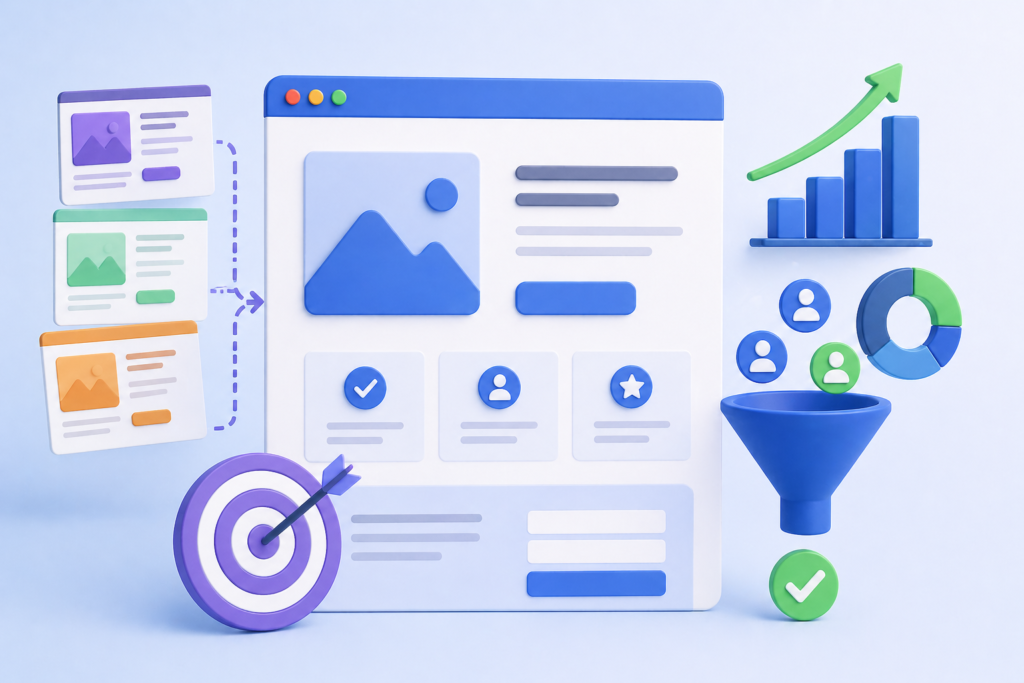
Landing page templates are designed with one primary objective: increasing conversions. By leveraging tested frameworks and design principles, they eliminate guesswork and provide a proven path to success.
One of the main advantages is consistency. Templates ensure that every landing page follows a structured approach, making it easier to maintain brand identity and messaging across campaigns. This consistency builds trust and familiarity, which are essential for conversions.
Another key benefit is speed. Creating landing pages from scratch can be time-consuming and resource-intensive. Templates streamline the process, allowing marketers to launch campaigns quickly and efficiently. This agility is crucial in competitive markets where timing can significantly impact results.
Additionally, templates are often optimized for performance. They incorporate best practices for loading speed, mobile responsiveness, and user experience. According to Core Web Vitals guidelines from Google, page performance directly impacts user engagement and search rankings, making optimized templates essential for success.
SEO Optimization for Landing Page Templates
Search engine optimization is a critical component of any successful landing page strategy. Even the most visually appealing page will fail if it does not attract the right audience.
Keyword optimization is the foundation of SEO. Landing page templates should include primary, secondary, and LSI keywords naturally throughout the content. This helps search engines understand the page’s relevance and improves its chances of ranking for targeted queries.
Technical SEO is equally important. Factors such as page speed, mobile-friendliness, and secure connections (HTTPS) play a significant role in search rankings. Following Google Search Central guidelines ensures that your landing pages meet the necessary technical standards.
Content quality is another crucial factor. High-quality, informative, and engaging content not only improves user experience but also signals authority and trustworthiness to search engines. By combining strong SEO practices with compelling content, landing page templates can drive both traffic and conversions.
Mobile Optimization and Responsive Design
With the majority of internet users accessing websites through mobile devices, mobile optimization is no longer optional—it’s essential. Landing page templates must be designed with responsiveness in mind to ensure a seamless experience across all devices.
Responsive design allows a landing page to adapt to different screen sizes, providing a consistent user experience whether the visitor is using a smartphone, tablet, or desktop. This flexibility improves usability and reduces bounce rates, which directly impacts conversions.
Mobile users have different behaviors compared to desktop users. They expect fast loading times, easy navigation, and concise content. Templates optimized for mobile prioritize these elements, ensuring that users can quickly find what they need and take action without friction.
Performance also plays a critical role. Slow-loading pages can lead to high abandonment rates. Optimizing images, minimizing code, and leveraging caching techniques are essential for improving load times and enhancing overall user experience.
The Role of Copywriting in Landing Page Templates
Copywriting is the backbone of any effective landing page. While design attracts attention, it is the words that persuade users to take action. High-converting landing page templates are built around compelling and strategic copy.
Effective copywriting focuses on benefits rather than features. Instead of simply describing a product or service, it highlights how it solves a problem or improves the user’s life. This approach creates a stronger emotional connection and increases the likelihood of conversion.
Clarity and simplicity are key. Overly complex language or jargon can confuse users and reduce engagement. Templates use clear, concise, and conversational language to communicate the message effectively.
Storytelling is another powerful technique. By presenting information in a narrative format, landing pages can engage users on a deeper level. This approach makes the content more relatable and memorable, ultimately driving better results.
A/B Testing Strategies for Landing Page Templates
A/B testing, also known as split testing, is one of the most powerful methods for improving landing page performance. Instead of relying on assumptions, A/B testing allows marketers to make data-driven decisions by comparing two or more variations of a page to determine which performs better.
At its core, A/B testing involves changing a single element—such as a headline, CTA button, image, or layout—and measuring how that change impacts conversions. This scientific approach ensures that every optimization is backed by real user behavior rather than guesswork. Over time, small improvements can lead to significant gains in overall conversion rates.
To implement effective A/B testing, it’s essential to define clear goals and metrics. Whether the objective is increasing sign-ups, purchases, or click-through rates, each test should be aligned with a specific outcome. Tools like <u>Google Optimize</u> (historically) and other experimentation platforms provide frameworks for running tests efficiently, while adhering to Google Search Essentials ensures that testing practices do not negatively impact SEO performance.
Personalization and Dynamic Content in Landing Pages
Personalization has become a game-changer in digital marketing, allowing businesses to deliver tailored experiences to individual users. Landing page templates that incorporate dynamic content can significantly enhance engagement and conversion rates.
Dynamic landing pages adapt based on user data such as location, behavior, referral source, or past interactions. For example, a visitor arriving from a specific ad campaign might see customized messaging that aligns with that campaign’s theme. This level of relevance increases the likelihood of conversion by making the experience feel more personalized and meaningful.
Behavioral targeting is another powerful aspect of personalization. By analyzing user actions—such as pages visited or time spent on site—marketers can present content that matches user intent. This approach not only improves user experience but also strengthens brand trust and credibility.
However, personalization must be implemented carefully. Overuse or incorrect data can lead to a negative experience. Following privacy standards and guidelines, such as those outlined in General Data Protection Regulation (GDPR), ensures that user data is handled responsibly and transparently.
Tools and Platforms for Creating Landing Page Templates
The right tools can make a significant difference in the effectiveness and efficiency of creating landing page templates. Modern platforms offer drag-and-drop builders, pre-designed templates, and advanced analytics to simplify the process.
Popular tools like WordPress, Elementor, and ClickFunnels provide flexible solutions for building landing pages without requiring extensive coding knowledge. These platforms offer a wide range of templates that can be customized to fit specific business needs, making them ideal for both beginners and experienced marketers.
Analytics tools are equally important. Platforms such as Google Analytics help track user behavior, identify bottlenecks, and measure performance metrics. By analyzing this data, marketers can make informed decisions and continuously optimize their landing pages.
Additionally, design tools and integrations enhance the overall workflow. From heatmaps to user session recordings, these tools provide valuable insights into how users interact with landing pages, enabling further optimization and refinement.
Common Mistakes to Avoid in Landing Page Templates
Even with the best tools and strategies, mistakes can undermine the effectiveness of landing page templates. Understanding these common pitfalls is essential for creating high-performing pages.
One of the most frequent mistakes is cluttered design. Overloading a landing page with too much information, multiple CTAs, or unnecessary elements can confuse users and dilute the main message. Simplicity and focus are key to guiding users toward the desired action.
Another common issue is weak or unclear messaging. If visitors cannot quickly հասկstand the value proposition, they are likely to leave. Clear headlines, concise copy, and a strong call-to-action are essential for maintaining engagement and driving conversions.
Technical issues also play a significant role. Slow loading times, broken links, and poor mobile optimization can negatively impact user experience and search rankings. Regular testing and adherence to Page Experience standards help ensure that landing pages perform optimally.
Advanced Conversion Optimization Techniques
For businesses looking to take their landing pages to the next level, advanced conversion optimization techniques can provide a competitive edge. These strategies go beyond basic design and focus on maximizing user engagement and conversions.
One effective technique is the use of micro-conversions. Instead of focusing solely on the final goal, landing pages can encourage smaller actions such as clicking a button or watching a video. These micro-conversions build momentum and increase the likelihood of completing the main conversion.
Another advanced strategy is leveraging behavioral psychology through techniques like social proof, scarcity, and reciprocity. Displaying user reviews, limited-time offers, and free resources can influence decision-making and drive action.
Continuous optimization is also crucial. Conversion rate optimization is an ongoing process that involves analyzing data, testing new ideas, and refining strategies. By adopting a growth mindset, businesses can consistently improve their landing page performance and achieve better results over time.
Future Trends in Landing Page Templates

The digital marketing landscape is constantly evolving, and landing page templates are no exception. Staying ahead of emerging trends is essential for maintaining a competitive advantage.
One of the most significant trends is the integration of artificial intelligence. AI-powered tools can analyze user behavior, predict preferences, and automatically optimize landing pages for better performance. This level of automation allows marketers to achieve more with less effort.
Another trend is the increasing importance of interactive content. Elements such as quizzes, calculators, and interactive videos engage users and provide a more immersive experience. These features not only capture attention but also encourage deeper interaction.
Voice search and accessibility are also gaining prominence. Optimizing landing pages for voice queries and ensuring accessibility for all users aligns with modern user expectations and regulatory requirements. Following Web Content Accessibility Guidelines (WCAG) helps create inclusive and user-friendly experiences.
How to Choose the Right Landing Page Template for Your Business
Selecting the right landing page template is a critical decision that can significantly impact your marketing success. The choice should be based on your goals, audience, and overall strategy.
Start by identifying your primary objective. Whether it’s lead generation, sales, or brand awareness, the template should align with your specific goal. Different templates are designed for different purposes, so choosing the right one ensures better results.
Understanding your target audience is equally important. Consider factors such as demographics, preferences, and behavior. A template that resonates with your audience will be more effective in capturing attention and driving conversions.
Finally, evaluate the template’s features and flexibility. Look for options that offer customization, mobile responsiveness, and integration with other tools. A well-chosen template provides a solid foundation for building high-performing landing pages.
FAQs
1. What is a landing page template?
A landing page template is a pre-designed layout used to create focused web pages aimed at achieving a specific conversion goal, such as lead generation or sales.
2. Are landing page templates good for SEO?
Yes, when optimized properly with relevant keywords, fast loading speeds, and quality content, landing page templates can rank well in search engines.
3. How do I choose the best template?
Choose a template based on your goal, audience, and required features such as responsiveness, customization, and integration capabilities.
4. Can I customize landing page templates?
Absolutely. Most templates are highly customizable, allowing you to adjust design, content, and functionality to match your brand.
5. What tools can I use to build landing pages?
Popular tools include WordPress, Elementor, and ClickFunnels, which offer flexible and user-friendly solutions.
6. How important is mobile optimization?
Extremely important. Mobile-friendly landing pages improve user experience and are essential for both SEO and conversions.
7. What is A/B testing in landing pages?
A/B testing involves comparing different versions of a page to determine which performs better based on user behavior.
8. How can I improve my landing page conversions?
Focus on clear messaging, strong CTAs, fast loading speeds, and continuous optimization through testing and data analysis.
Best Practices Summary
Creating high-converting landing page templates requires a combination of strategy, design, and continuous optimization. Start with a clear goal and ensure that every element on the page supports that objective. Use compelling headlines, engaging visuals, and strong calls-to-action to guide users toward conversion.
Focus on user experience by maintaining simplicity, improving page speed, and ensuring mobile responsiveness. High-quality content, combined with proper SEO techniques, enhances both visibility and engagement. Following trusted guidelines such as Google Search Essentials ensures long-term success.
Finally, adopt a data-driven approach. Regularly analyze performance metrics, conduct A/B testing, and refine your strategies based on insights. Continuous improvement is the key to achieving sustainable growth and maximizing the impact of your landing pages.
Conclusion
Landing page templates are a cornerstone of modern digital marketing, offering a structured and efficient way to create high-performing pages. By leveraging proven frameworks, optimizing for SEO, and focusing on user experience, businesses can significantly improve their conversion rates and overall performance.
At My Funnel Script, the goal is to empower businesses with the tools and knowledge needed to succeed in a competitive digital landscape. By implementing the strategies outlined in this guide, you can create landing pages that not only attract visitors but also convert them into loyal customers.
Want to Implement This Easily?
Prompt:
You are an expert consultant. Based on the blog post titled “(Landing Page Templates)”, provide a step-by-step, practical implementation guide. Include tools, best practices, common mistakes to avoid, and advanced tips. Assume the reader wants to implement everything discussed in this article effectively.
Call to Action:
Want our help implementing this? Just reach out to us via our website contact form:
https://buywith.thrivecart.com/full-sales-funnel-templates/