
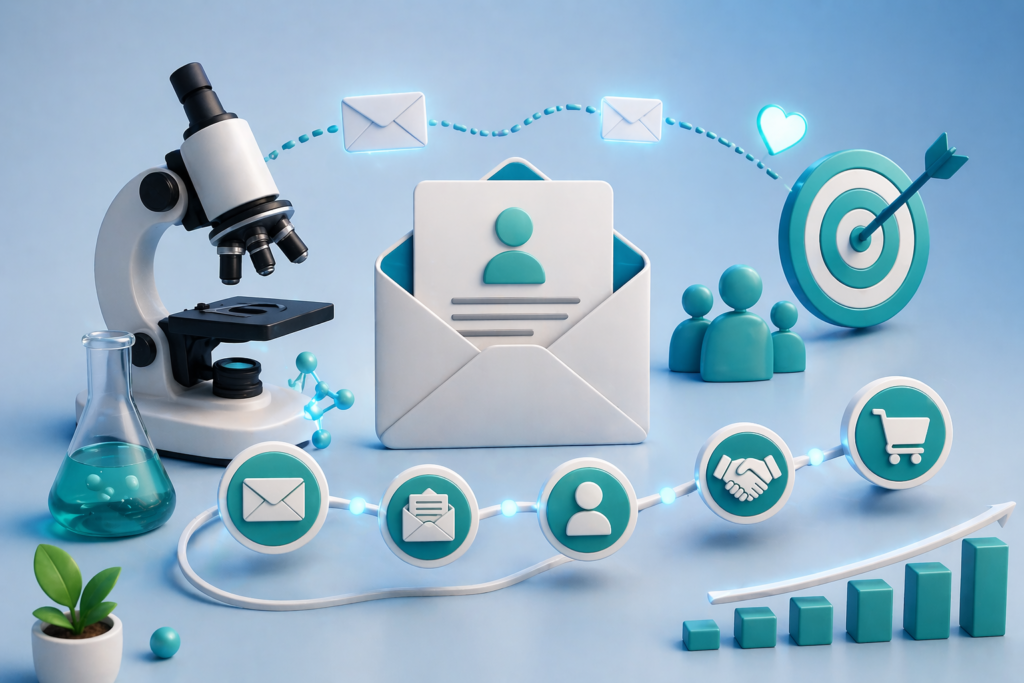
Nurture Emails are the backbone of relationship-driven marketing—learn how to build high-converting email sequences that increase engagement, trust, and long-term revenue using proven strategies, automation, and personalization.
Introduction
In today’s competitive digital ecosystem, attention is fleeting—but relationships last. This is where nurture emails step in as one of the most powerful tools in modern marketing. Unlike one-off promotional blasts, nurture emails focus on guiding your audience through a meaningful journey, building trust over time, and ultimately driving conversions in a natural, non-pushy way.
At MyFunnelScript, the focus is on creating conversion-driven funnels—and nurture emails play a central role in that ecosystem. Whether you’re targeting cold leads, onboarding new subscribers, or re-engaging dormant users, the right nurture strategy can significantly improve your ROI and customer lifetime value.
In this comprehensive guide, you’ll learn everything about nurture emails—from strategy and psychology to technical implementation and optimization—ensuring your campaigns align with modern SEO and Google quality standards.
What Are Nurture Emails and Why They Matter
Nurture emails are a sequence of automated or semi-automated messages designed to build relationships with your audience over time. Unlike direct sales emails, their purpose is to educate, engage, and guide prospects through the buyer’s journey. These emails are typically triggered by user actions such as signing up for a newsletter, downloading a resource, or abandoning a cart.
The importance of nurture emails lies in their ability to create trust at scale. Modern consumers are more informed and skeptical than ever before. They don’t respond well to aggressive selling, but they do respond to value-driven communication. Nurture emails provide that value by offering insights, tips, solutions, and relevant content tailored to the recipient’s needs.
From an SEO and digital marketing standpoint, nurture emails also support broader strategies such as content distribution, user retention, and conversion optimization. According to email marketing best practices, helpful and people-first content is essential—and nurture emails embody this principle by focusing on user value rather than manipulation.
The Psychology Behind Effective Nurture Email Campaigns
Understanding human psychology is key to crafting emails that resonate. Successful nurture emails tap into emotional triggers such as curiosity, trust, reciprocity, and urgency—without appearing manipulative. These psychological principles help guide readers toward taking action organically.
One of the most powerful concepts is reciprocity. When you provide valuable insights, tools, or knowledge without asking for anything in return, your audience feels more inclined to engage with your future offers. This builds goodwill and establishes your brand as a trusted authority in your niche.
Another important factor is consistency and familiarity. Regular communication through nurture emails helps your brand stay top-of-mind. Over time, recipients begin to recognize your voice, trust your recommendations, and feel comfortable interacting with your content. This emotional connection is what ultimately drives conversions.
Key Components of a High-Converting Nurture Email
Every effective nurture email contains several essential elements that work together to deliver value and drive engagement. First and foremost is a compelling subject line. This is the gateway to your email—if it doesn’t capture attention, the rest of your message won’t even be seen.
The body of the email should be structured with clarity and purpose. Start with a strong hook, followed by valuable content that addresses a specific pain point or interest. Use bold, italic, and <u>underlined</u> text strategically to emphasize key points without overwhelming the reader.
Finally, every nurture email should include a clear and relevant call-to-action (CTA). Whether it’s reading a blog post, watching a video, or downloading a resource, the CTA should align with the recipient’s stage in the buyer’s journey. Avoid aggressive sales language—instead, focus on guiding the reader toward the next logical step.
Types of Nurture Email Sequences You Should Use
Not all nurture emails serve the same purpose. Different types of sequences are designed to address specific goals and stages of the customer journey. One of the most common is the welcome sequence, which introduces new subscribers to your brand and sets expectations for future communication.
Another important type is the educational sequence, which provides valuable insights and helps position your brand as an authority. These emails often include tips, tutorials, case studies, and industry trends that are relevant to your audience.
There are also re-engagement sequences, designed to win back inactive subscribers. These emails may include special offers, surveys, or personalized content to reignite interest. Each type of sequence plays a crucial role in maintaining a healthy and engaged email list.
How to Map Nurture Emails to the Buyer’s Journey
To maximize effectiveness, nurture emails must align with the different stages of the buyer’s journey: awareness, consideration, and decision. Each stage requires a different approach and type of content.
In the awareness stage, your goal is to educate and inform. Provide helpful content that addresses common problems or questions your audience may have. Avoid selling at this stage—instead, focus on building trust and credibility.
During the consideration stage, prospects are evaluating their options. This is where you can introduce your solutions, share case studies, and highlight your unique value proposition. Finally, in the decision stage, your emails should provide reassurance and encourage action through testimonials, guarantees, and limited-time offers.
Personalization Strategies That Increase Engagement
Personalization is no longer optional—it’s expected. Modern email marketing tools allow you to tailor content based on user behavior, preferences, and demographics. This level of customization significantly improves open rates, click-through rates, and conversions.
Start with basic personalization such as using the recipient’s name, but go beyond that. Segment your audience based on interests, past interactions, and purchase history. This allows you to send highly relevant content that resonates with each segment.
Advanced personalization techniques include dynamic content, behavioral triggers, and predictive recommendations. These strategies ensure that every email feels like it was written specifically for the recipient, enhancing the overall user experience.
Writing Subject Lines That Drive Opens
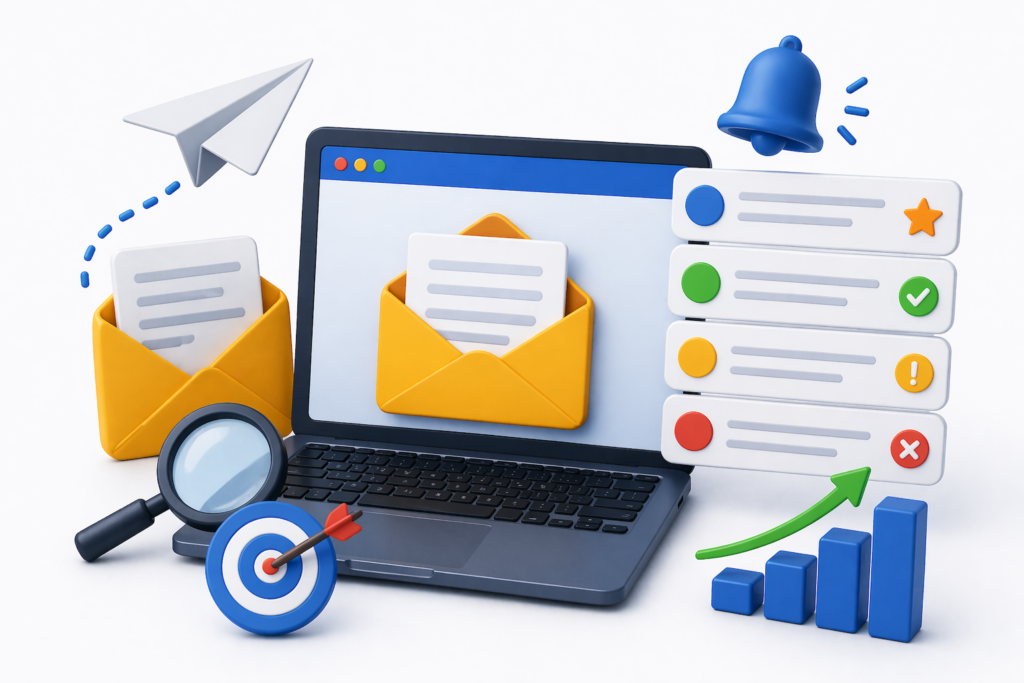
Your subject line is arguably the most important part of your email. It determines whether your message gets opened or ignored. A strong subject line should be clear, concise, and intriguing without being misleading.
Use curiosity-driven language to spark interest. For example, instead of saying “Email Marketing Tips,” try something like “The One Email Strategy Most Marketers Ignore.” This creates a sense of intrigue that encourages clicks.
Avoid spammy words and excessive punctuation, as these can trigger filters and reduce deliverability. According to email deliverability guidelines, maintaining trust and relevance is key to ensuring your emails reach the inbox.
Crafting Email Content That Builds Trust
Trust is the foundation of any successful nurture campaign. Your email content should be authentic, transparent, and genuinely helpful. Avoid overly promotional language and focus on delivering real value.
One effective approach is storytelling. Share real experiences, case studies, or customer success stories that illustrate your message. This makes your content more relatable and engaging.
Additionally, ensure your emails are well-structured and easy to read. Use short paragraphs, bullet points where appropriate, and clear formatting to enhance readability. This not only improves user experience but also aligns with content quality standards.
The Role of Automation in Nurture Email Campaigns
Automation is what makes nurture emails scalable and efficient. With the right tools, you can set up complex workflows that deliver the right message to the right person at the right time—without manual intervention.
Automated sequences can be triggered by various actions, such as signing up for a newsletter, clicking a link, or making a purchase. This ensures that your communication is timely and relevant, which significantly improves engagement.
However, automation should not come at the expense of personalization. The most effective campaigns combine automation with tailored content, creating a seamless and personalized experience for each recipient.
Choosing the Right Email Marketing Tools
Selecting the right tools is crucial for implementing an effective nurture email strategy. Look for platforms that offer robust automation features, advanced segmentation, and detailed analytics.
Popular tools include platforms that support CRM integration, A/B testing, and dynamic content. These features allow you to optimize your campaigns continuously and improve performance over time.
Additionally, ensure that your chosen platform complies with data privacy regulations and security standards. This not only protects your users but also enhances your brand’s credibility and trustworthiness.
Advanced Segmentation Strategies for Better Results
Segmentation is where nurture email campaigns evolve from generic messaging into precision-driven communication. Instead of sending the same message to your entire list, segmentation allows you to divide your audience into smaller, more targeted groups based on behavior, preferences, and engagement levels.
One powerful segmentation approach is behavior-based segmentation. This includes tracking user actions such as email opens, clicks, downloads, and purchases. For example, if a user frequently engages with content related to SEO, you can send them more advanced strategies rather than beginner-level material. This ensures that your emails remain relevant and valuable at every stage.
Another advanced strategy is lifecycle segmentation. This involves categorizing users based on where they are in the customer journey—new leads, active prospects, or loyal customers. By aligning your nurture emails with each stage, you can deliver highly personalized experiences that feel natural and timely, ultimately boosting conversions and retention.
A/B Testing Your Nurture Emails for Continuous Improvement
A/B testing, also known as split testing, is essential for optimizing your nurture email performance. It involves creating two variations of an email and sending them to different segments of your audience to determine which performs better.
Start by testing one variable at a time—such as subject lines, email copy, CTAs, or design elements. For instance, you might test a curiosity-driven subject line against a benefit-focused one to see which generates higher open rates. Over time, these insights will help you refine your messaging and improve overall effectiveness.
It’s also important to analyze the results using meaningful metrics such as open rates, click-through rates, and conversion rates. According to Google Analytics measurement best practices, data-driven decision-making is key to improving digital performance. By continuously testing and optimizing, you ensure your nurture emails stay relevant and impactful.
Optimizing Email Timing and Frequency
Timing plays a critical role in the success of your nurture emails. Sending emails too frequently can overwhelm your audience, while sending them too infrequently can cause your brand to be forgotten. Finding the right balance is essential.
Start by analyzing your audience’s behavior. When are they most likely to open emails? What days of the week generate the highest engagement? Use this data to schedule your emails strategically. Many platforms provide insights into optimal send times based on user activity.
Frequency should also be tailored to your audience and goals. For example, a welcome sequence might include several emails within the first week, while a long-term nurture campaign may space emails out over several weeks or months. The key is to maintain consistency without overwhelming your subscribers.
Integrating Nurture Emails with Your Sales Funnel
Nurture emails should not exist in isolation—they must be integrated into your broader sales funnel. This ensures a seamless journey from initial awareness to final conversion.
At the top of the funnel, nurture emails can drive traffic to your blog posts, guides, and resources. In the middle of the funnel, they can highlight your products or services, share case studies, and address objections. At the bottom of the funnel, they can provide strong calls-to-action and incentives to convert.
Integration also involves aligning your emails with other marketing channels such as social media, paid ads, and content marketing. This creates a cohesive experience for your audience and reinforces your messaging across multiple touchpoints.
Measuring Success: Key Metrics That Matter
To ensure your nurture email campaigns are effective, you need to track and analyze key performance metrics. These metrics provide valuable insights into what’s working and what needs improvement.
Open rate is one of the most basic metrics, indicating how many recipients are opening your emails. Click-through rate (CTR) measures how many users are engaging with your content by clicking on links. Conversion rate, on the other hand, shows how many recipients are taking the desired action.
Other important metrics include bounce rate, unsubscribe rate, and overall ROI. By regularly reviewing these metrics, you can identify trends, optimize your campaigns, and achieve better results over time.
Common Mistakes to Avoid in Nurture Email Campaigns
One of the most common mistakes is focusing too much on selling rather than providing value. Nurture emails are meant to build relationships, not push products aggressively. When emails feel overly promotional, they can lead to unsubscribes and reduced engagement.
Another mistake is neglecting personalization. Sending generic emails to your entire list can make your audience feel like just another number. Instead, use segmentation and personalization to create meaningful connections with your subscribers.
Poor timing and inconsistent communication are also major pitfalls. Sending emails at the wrong time or failing to maintain a consistent schedule can negatively impact engagement. Always analyze your data and adjust your strategy accordingly.
Best Practices Summary for High-Performing Nurture Emails
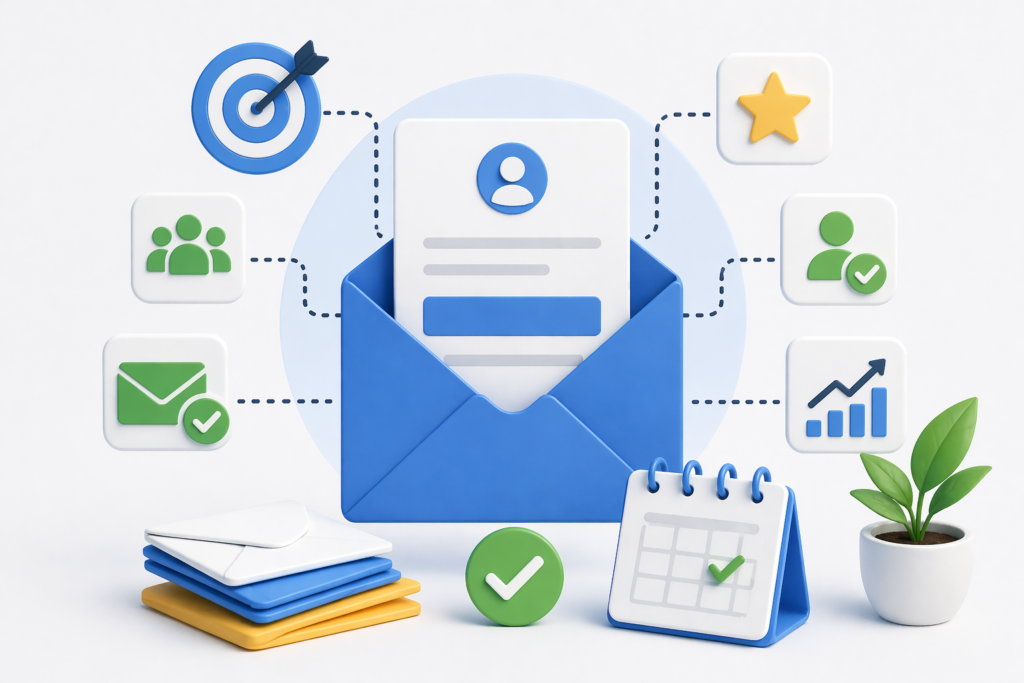
To create effective nurture email campaigns, focus on delivering consistent value. Every email should serve a purpose—whether it’s educating, engaging, or guiding the reader toward a specific action. Avoid fluff and ensure your content is relevant and helpful.
Leverage automation and personalization to scale your efforts without sacrificing quality. Use advanced segmentation, behavioral triggers, and dynamic content to create tailored experiences for your audience.
Finally, commit to continuous improvement. Regularly test different elements of your emails, analyze performance metrics, and refine your strategy. By staying proactive and data-driven, you can achieve long-term success with your nurture email campaigns.
FAQs
1. What is the ideal length of a nurture email?
The ideal length depends on your audience and the purpose of the email. Generally, shorter emails work better for engagement, while longer emails are suitable for in-depth education. Focus on clarity and value rather than word count.
2. How many emails should be in a nurture sequence?
A typical nurture sequence includes 5–10 emails, but this can vary based on your goals and audience. The key is to maintain consistency and provide value in each email.
3. How often should I send nurture emails?
Frequency depends on your audience and campaign type. A common approach is 2–3 emails per week during the initial stages, followed by weekly or bi-weekly emails for long-term nurturing.
4. Can nurture emails be fully automated?
Yes, most nurture email campaigns can be automated using email marketing platforms. However, it’s important to regularly review and update your content to ensure it remains relevant.
5. What tools are best for creating nurture emails?
Popular tools include platforms with automation, segmentation, and analytics features. Choose one that aligns with your business needs and integrates with your existing systems.
6. How do I improve my email open rates?
Focus on writing compelling subject lines, personalizing your emails, and sending them at optimal times. Avoid spammy language and ensure your content is relevant to your audience.
7. Are nurture emails effective for all industries?
Yes, nurture emails can be adapted to virtually any industry. The key is to understand your audience and tailor your content to their specific needs and preferences.
8. How do I measure the success of my nurture campaigns?
Track key metrics such as open rates, click-through rates, conversion rates, and ROI. Use these insights to optimize your campaigns and improve performance over time.
Conclusion
Nurture emails are more than just a marketing tactic—they are a long-term strategy for building meaningful relationships with your audience. When executed correctly, they can transform cold leads into loyal customers and significantly increase your revenue.
At MyFunnelScript, the emphasis is on creating high-converting systems, and nurture emails are a critical component of that success. By combining personalization, automation, and data-driven optimization, you can create campaigns that not only engage but also convert consistently.
Want to Implement This Easily?
Prompt Text:
You are an expert consultant. Based on the blog post titled “(Nurture Emails)”, provide a step-by-step, practical implementation guide. Include tools, best practices, common mistakes to avoid, and advanced tips. Assume the reader wants to implement everything discussed in this article effectively.
Call to Action:
Want our help implementing this? Just reach out to us via our website contact form:
https://buywith.thrivecart.com/full-sales-funnel-templates/