

Discover the ultimate guide to Webinar Promos in 2026. Learn how to create high-converting webinar marketing campaigns, increase registrations, improve attendance rates, and generate qualified leads using proven promotional strategies, SEO best practices, email funnels, paid ads, and automation.
Introduction
In today’s highly competitive digital landscape, webinar promos have become one of the most effective ways to generate qualified leads, build authority, and drive conversions. Businesses across industries are using webinars to educate audiences, launch products, nurture prospects, and increase customer trust in ways that static content simply cannot achieve. A well-promoted webinar can create excitement, establish expertise, and produce measurable ROI for months after the live session ends.
As online audiences become more selective about the content they consume, successful webinar promotion now requires far more than sending a few emails or posting a social media update. Modern webinar campaigns involve strategic audience targeting, persuasive landing pages, automated nurturing systems, retargeting campaigns, video teasers, influencer collaborations, and optimized user experiences. Companies that invest in advanced webinar marketing strategies consistently outperform competitors in lead generation and customer acquisition.
For businesses looking to scale online visibility and conversion performance, effective webinar promos can become a cornerstone of a long-term digital growth strategy. This guide from My Funnel Script explores every major aspect of webinar promotion in detail, helping marketers, business owners, and brands create campaigns that attract attention and produce sustainable results.
Understanding the Importance of Webinar Promos
Webinars have evolved far beyond simple online presentations. They are now a core component of sophisticated digital marketing ecosystems designed to attract leads, educate audiences, and drive revenue. Businesses use webinars to demonstrate products, share expertise, train customers, and nurture long-term relationships. However, even the best webinar content will fail if the promotional strategy behind it is weak or poorly executed.
The primary reason webinar promos are so effective lies in audience intent. Unlike casual social media browsing, webinar attendees actively register because they want information, solutions, or guidance. This creates an audience with significantly higher engagement levels compared to many other marketing channels. When properly promoted, webinars attract highly qualified leads who are already interested in a specific topic or challenge.
Another critical factor is trust-building. Consumers are increasingly skeptical of traditional advertising, but webinars create opportunities for direct interaction and authentic communication. Live Q&A sessions, case studies, demonstrations, and educational presentations help businesses establish authority while building credibility with their audience. This aligns closely with Google’s Experience, Expertise, Authoritativeness, and Trustworthiness principles outlined in Google Search Quality Evaluator Guidelines.
Effective webinar promos also support long-term content marketing strategies. A single webinar can be repurposed into blog posts, social clips, email sequences, lead magnets, podcasts, and video snippets. This allows businesses to maximize content ROI while improving visibility across multiple platforms. Companies that strategically integrate webinar promotions into broader marketing campaigns often experience improved lead quality, stronger brand recognition, and higher customer lifetime value.
Building a Webinar Promotion Strategy That Converts
Creating a successful webinar promotion campaign begins with a structured strategy. Many businesses focus heavily on webinar delivery while neglecting the planning and promotional systems required to attract attendees. Without a clear strategy, even valuable webinar content may fail to reach the right audience.
The first step is identifying the ideal audience. Understanding demographics, interests, professional pain points, and buyer intent helps marketers craft messaging that resonates deeply. Audience segmentation also improves campaign personalization, allowing businesses to tailor email sequences, ad copy, and social media promotions more effectively. Personalized messaging consistently outperforms generic promotional content because it directly addresses specific audience needs.
Goal-setting is another essential component. Webinar campaigns should have measurable objectives such as registration numbers, attendance rates, sales conversions, or lead generation targets. Clear goals allow businesses to evaluate performance accurately and optimize future campaigns based on real data. Tracking metrics like cost per registration, attendee engagement, and post-webinar conversions provides valuable insight into overall campaign effectiveness.
A strong webinar promotion strategy also includes multi-channel marketing integration. Modern audiences interact with brands through email, social media, search engines, paid advertising, video platforms, and communities. Promoting webinars across multiple channels significantly increases reach and engagement. Businesses should create coordinated campaigns where messaging remains consistent across all platforms while adapting content formats to match audience behavior on each channel.
Creating High-Converting Webinar Landing Pages
A webinar landing page serves as the foundation of any successful webinar promo campaign. This page determines whether visitors register or leave without taking action. Optimizing landing pages for clarity, trust, and conversion is therefore essential for maximizing registration rates.
The headline is the first element visitors notice. High-converting headlines clearly communicate the webinar’s value proposition while highlighting a specific outcome or solution. Instead of vague titles, businesses should focus on actionable benefits that address audience pain points directly. Clear messaging immediately improves visitor understanding and increases conversion potential.
The landing page design must also prioritize simplicity and readability. Cluttered layouts, excessive text, and distracting visuals can reduce conversions significantly. Effective pages use clean formatting, concise copy, engaging visuals, and strategically placed calls-to-action. Registration forms should request only essential information to reduce friction during the sign-up process.
Trust indicators are equally important. Testimonials, speaker credentials, company achievements, and attendee statistics help establish credibility. Including professional speaker photos and brief biographies can increase trust and encourage more registrations. Businesses should also ensure pages load quickly and follow Core Web Vitals recommendations from Google PageSpeed Insights to improve both SEO and user experience.
Mobile responsiveness is another critical factor. A significant percentage of webinar registrations now occur on mobile devices. Pages that fail to display correctly on smartphones risk losing valuable leads. Responsive design, fast loading times, and user-friendly mobile forms help maintain strong conversion performance across all devices.
Using Email Marketing for Webinar Promotions
Email marketing remains one of the most powerful channels for webinar promos because it enables direct communication with highly targeted audiences. A strategic email campaign can dramatically increase registrations, attendance rates, and post-webinar engagement when executed correctly.
The most effective webinar email campaigns follow a sequence rather than relying on a single announcement. Initial emails introduce the webinar topic and establish value. Follow-up emails provide additional details, speaker highlights, and urgency. Reminder emails closer to the event date help reduce no-show rates while maintaining excitement among registrants.
Subject lines play a major role in email performance. Personalized, curiosity-driven, and benefit-oriented subject lines tend to generate higher open rates. Businesses should also segment email lists based on audience interests and behavior. Sending highly relevant webinar invitations to targeted segments improves engagement and conversion rates significantly.
Automation tools enhance webinar email marketing even further. Automated workflows can send confirmation emails, calendar reminders, follow-ups, replay links, and post-webinar offers without manual effort. Platforms like Mailchimp and HubSpot provide advanced automation capabilities that streamline webinar promotion campaigns while improving consistency.
Post-webinar email sequences are equally important. Many conversions happen after the live event rather than during it. Sending replay access, downloadable resources, summaries, and special offers helps nurture attendees and non-attendees toward future purchasing decisions. Businesses that consistently follow up after webinars often achieve significantly higher ROI compared to those that stop communication immediately after the event ends.
Leveraging Social Media for Webinar Visibility
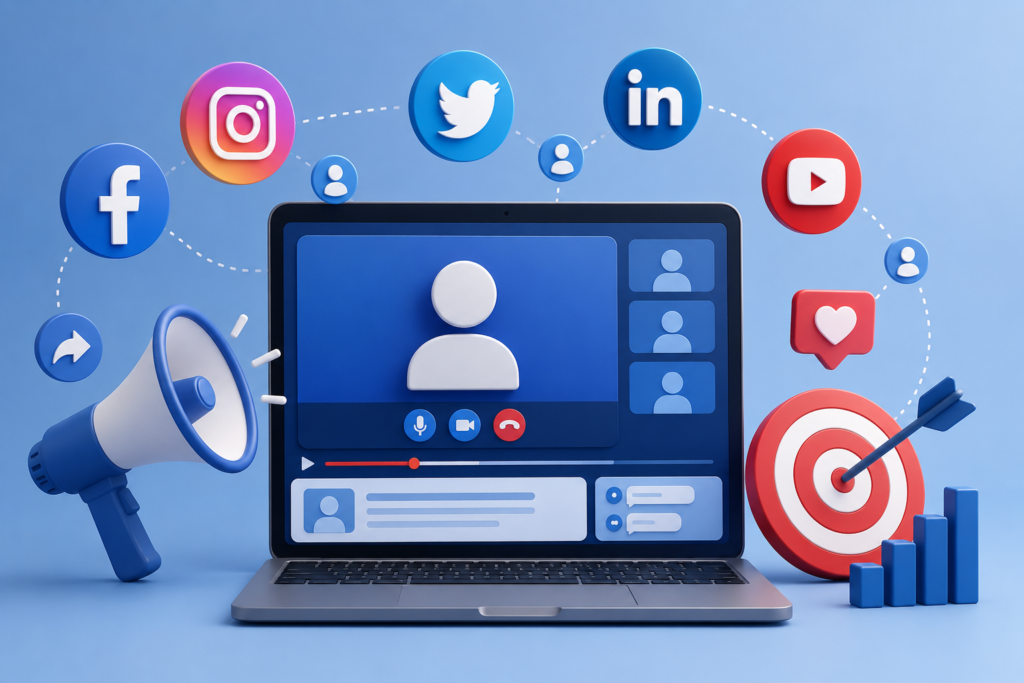
Social media platforms provide powerful opportunities to amplify webinar promotions and reach highly engaged audiences. Effective social media webinar marketing involves far more than posting a registration link. Businesses must create compelling content that captures attention, builds anticipation, and encourages sharing.
Short-form video content has become especially effective for webinar promos. Teaser videos, speaker clips, countdowns, behind-the-scenes previews, and educational snippets can dramatically increase engagement across platforms such as LinkedIn, Instagram, and Facebook. Video content tends to generate higher reach and interaction compared to static graphics alone.
Consistency is another critical factor. Businesses should create structured promotional calendars that include multiple content formats leading up to the webinar date. These may include polls, Q&A sessions, carousel posts, countdown graphics, speaker introductions, and audience testimonials. Frequent engagement keeps the webinar visible while increasing familiarity among potential attendees.
Hashtag strategies and audience tagging can further expand reach. Using niche-specific hashtags helps attract targeted viewers interested in the webinar topic. Collaborating with speakers, influencers, or industry experts also increases visibility by exposing the webinar to broader audiences.
Paid social media advertising can significantly boost webinar registration performance as well. Advanced targeting features allow businesses to reach users based on interests, job roles, behaviors, and demographics. Retargeting campaigns are particularly effective because they re-engage visitors who previously interacted with the landing page but did not complete registration.
The Role of Content Marketing in Webinar Promos
Content marketing and webinar promotions work exceptionally well together because both focus on delivering educational value to audiences. Integrating webinars into broader content marketing strategies helps businesses increase visibility, attract organic traffic, and build authority within their industry.
Blog posts are one of the most effective webinar promotion assets. Businesses can create educational articles related to webinar topics, optimize them for SEO, and include contextual registration calls-to-action. High-quality content targeting relevant keywords can generate ongoing webinar traffic from search engines long after the initial promotional campaign begins.
Search engine optimization is essential for webinar-related content visibility. Following recommendations from Google Search Central helps businesses improve indexing, discoverability, and ranking performance. Strategic keyword placement, internal linking, schema markup, and helpful content creation all contribute to better SEO outcomes.
Repurposing content also increases efficiency. Webinar topics can inspire infographics, downloadable guides, podcasts, case studies, and social media posts. This approach maximizes content lifespan while reinforcing promotional messaging across multiple channels. Audiences exposed to consistent educational content are more likely to perceive the webinar as valuable and worth attending.
Thought leadership content further strengthens webinar campaigns. Publishing expert insights, industry trends, original research, and practical tutorials establishes credibility while positioning webinar speakers as authoritative voices. This directly supports trust-building and aligns with Google’s E-E-A-T standards for high-quality online content.
Optimizing Webinar Registration Funnels
A webinar registration funnel is more than a landing page and signup form. It is a carefully structured journey designed to guide prospects from awareness to attendance and ultimately toward conversion. Optimizing every stage of this funnel can dramatically improve overall campaign performance.
Top-of-funnel strategies focus on generating awareness. This includes blog content, SEO, social media promotion, influencer outreach, paid advertising, and video marketing. Businesses should create consistent messaging that highlights the webinar’s primary value proposition while targeting audience pain points.
Middle-of-funnel optimization involves nurturing interested prospects. Email sequences, retargeting ads, reminder campaigns, and educational content help maintain engagement between registration and the live event. This stage is critical because many registrants forget about webinars if communication is inconsistent or unengaging.
Bottom-of-funnel strategies focus on conversion. During and after the webinar, businesses should present relevant offers, product demonstrations, consultations, or downloadable resources that align naturally with the presentation content. Hard-selling too aggressively can reduce trust, so educational value should remain the primary focus.
Analytics play a crucial role throughout the funnel. Monitoring traffic sources, conversion rates, attendance percentages, watch times, and post-webinar actions helps marketers identify weaknesses and improve future campaigns. Continuous optimization based on real performance data is one of the defining characteristics of successful webinar marketing systems.
Using Paid Advertising for Webinar Promos
Paid advertising is one of the fastest and most scalable methods for increasing webinar registrations. While organic strategies build long-term visibility, paid campaigns allow businesses to target highly specific audiences and generate predictable traffic quickly. Companies that combine strategic ad targeting with compelling webinar offers often achieve substantial lead generation and revenue growth.
Search advertising is particularly effective for webinar promos because it targets users actively searching for solutions. Platforms such as Google Ads allow businesses to display webinar offers to users searching for relevant keywords. High-intent searches often produce stronger conversion rates because the audience is already interested in the topic being discussed. Creating dedicated ad groups with highly relevant keywords improves both Quality Score and campaign efficiency.
Social media advertising also plays a major role in webinar promotion. Platforms including Meta Ads Manager and LinkedIn Campaign Manager provide advanced audience targeting capabilities that help businesses reach decision-makers, professionals, and niche communities. LinkedIn ads are especially valuable for B2B webinar campaigns due to their professional targeting features.
Retargeting campaigns significantly improve webinar registration rates. Many users visit webinar landing pages without registering immediately. Retargeting ads remind these visitors about the event while reinforcing its value proposition. Dynamic creatives, countdown messaging, and testimonials can help increase urgency and encourage conversions among hesitant prospects. Businesses that consistently optimize ad creatives, audience segments, and landing pages often experience lower acquisition costs and improved webinar ROI over time.
Webinar Automation Strategies for Better Efficiency
Automation has transformed modern webinar marketing by reducing manual workload while improving consistency and scalability. Businesses can now automate registration confirmations, reminders, audience segmentation, follow-ups, and lead nurturing processes using advanced marketing tools and workflows.
One of the biggest advantages of webinar automation is improved attendee communication. Automated email sequences ensure registrants receive confirmation emails immediately after signing up, followed by reminder emails before the webinar begins. Timely reminders reduce no-show rates and help attendees stay engaged throughout the promotional cycle.
Marketing automation platforms such as ActiveCampaign and ConvertKit enable businesses to create behavior-based workflows. For example, users who click registration links but do not complete signup forms can receive targeted reminder emails. Similarly, attendees who watch the webinar replay may enter separate follow-up campaigns focused on conversions or consultations.
Evergreen webinar funnels represent another powerful automation strategy. Instead of hosting live webinars repeatedly, businesses can use automated webinar systems that simulate live experiences while operating continuously. Evergreen webinars help generate leads around the clock while reducing operational demands. However, transparency is essential when using automated webinars, as misleading audiences can damage trust and credibility.
Automation also improves data collection and reporting. Integrated systems can track attendee engagement, click behavior, registration sources, and conversion paths automatically. These insights help businesses refine future webinar campaigns while improving targeting, messaging, and audience nurturing strategies over time.
SEO Strategies for Webinar Campaigns
Search engine optimization is a critical component of long-term webinar promotion success. While paid campaigns can generate immediate visibility, SEO helps businesses attract consistent organic traffic and build authority around webinar-related topics.
Keyword research forms the foundation of webinar SEO. Businesses should identify primary, secondary, and semantic keywords related to their webinar topics. These keywords should be incorporated naturally into landing pages, blog posts, video descriptions, meta titles, headings, and supporting content. Strategic optimization improves discoverability while helping search engines understand the content’s relevance.
Technical SEO is equally important. Webinar landing pages should follow best practices recommended by Google Search Essentials. This includes fast loading speeds, mobile optimization, structured data implementation, secure HTTPS protocols, and crawlable page architecture. Technical improvements enhance both user experience and search engine performance.
Content depth also impacts SEO performance significantly. Thin webinar pages with limited information rarely perform well in search rankings. High-performing pages often include detailed webinar descriptions, speaker credentials, FAQs, agenda outlines, testimonials, and supporting educational content. Comprehensive information helps search engines evaluate content quality while improving user trust.
Backlink acquisition can further strengthen webinar SEO visibility. Businesses can gain authoritative backlinks through guest posting, partnerships, media mentions, podcast appearances, and collaborative webinars. High-quality backlinks remain one of the strongest ranking signals in modern search engine optimization strategies.
Increasing Webinar Attendance Rates
Generating registrations is important, but actual attendance determines the effectiveness of a webinar campaign. Many businesses struggle with low attendance rates because registrants lose interest, forget the event, or fail to perceive enough value in attending live sessions.
Reminder campaigns are among the most effective attendance optimization strategies. Sending multiple reminders leading up to the webinar helps maintain awareness and excitement. Effective reminder emails often include key learning outcomes, speaker highlights, bonus resources, and calendar integration links that make attendance easier for registrants.
Creating urgency can also improve attendance significantly. Limited-time bonuses, exclusive downloadable resources, or live-only Q&A sessions encourage attendees to participate in real time rather than postponing engagement indefinitely. People are more likely to attend webinars when they believe they will miss valuable information by skipping the live session.
Audience engagement before the webinar is equally important. Businesses can use surveys, polls, teaser videos, and social media interactions to build anticipation. Engaging audiences early creates emotional investment and increases the likelihood of participation during the live event.
Timing also affects attendance rates. Hosting webinars at convenient times based on audience demographics and geographic locations improves accessibility. Businesses should analyze previous campaign performance data to determine optimal scheduling windows for their target audiences.
Webinar Engagement Tactics That Keep Audiences Interested
Keeping webinar attendees engaged throughout the presentation is essential for maximizing conversions and audience satisfaction. Many webinars lose viewers because presentations become overly promotional, repetitive, or lacking in interactivity.
Interactive elements dramatically improve engagement. Live polls, Q&A sessions, audience chat participation, quizzes, and downloadable resources create a more immersive experience. These features encourage attendees to remain active participants rather than passive viewers.
Storytelling is another highly effective engagement technique. Instead of presenting dry information, successful webinar hosts use real-world examples, case studies, personal experiences, and customer success stories to make presentations more relatable and memorable. Story-driven presentations tend to maintain audience attention more effectively than purely instructional formats.
Presentation structure also matters. Long, unfocused webinars often experience high drop-off rates. Organizing content into clear sections with logical transitions helps audiences follow along more easily. Visual aids, slides, demonstrations, and screen sharing further enhance comprehension and engagement.
Strong presenters understand the importance of pacing and authenticity. Audiences respond positively to natural communication styles, enthusiasm, and genuine expertise. Overly scripted presentations may appear robotic and reduce audience trust. Delivering valuable educational content while maintaining conversational energy creates stronger attendee experiences and higher conversion potential.
Common Webinar Promotion Mistakes Businesses Make
Even experienced marketers sometimes make mistakes that reduce webinar performance. Identifying and avoiding these issues can significantly improve campaign effectiveness and audience satisfaction.
One of the most common mistakes is starting promotions too late. Successful webinar campaigns often begin weeks in advance to maximize visibility and audience reach. Delayed promotions limit registration opportunities and reduce overall attendance potential.
Another major issue is unclear messaging. Many webinar promos fail because audiences do not immediately understand the webinar’s value. Generic titles, vague descriptions, and weak calls-to-action make it difficult for potential attendees to recognize why they should register. Clear, benefit-focused messaging consistently improves conversion rates.
Overcomplicated registration processes can also reduce conversions. Long forms requesting unnecessary information create friction and discourage signups. Businesses should simplify registration experiences whenever possible while collecting only essential data.
Neglecting post-webinar follow-up is another costly mistake. Many businesses focus entirely on registration and attendance while ignoring long-term lead nurturing opportunities. Follow-up emails, replay access, surveys, and consultation offers help extend webinar value while improving conversion outcomes.
Technical issues are equally damaging. Poor audio quality, unstable connections, broken registration links, and platform glitches can harm audience trust and brand reputation. Thorough testing and preparation before live events help minimize technical problems and create more professional experiences.
Measuring Webinar Success with Analytics and KPIs
Data analysis is essential for understanding webinar performance and optimizing future campaigns. Businesses that rely on measurable KPIs can identify strengths, weaknesses, and opportunities for improvement more effectively than those relying solely on assumptions.
Registration rate is one of the first metrics marketers evaluate. This KPI measures how effectively promotional efforts convert visitors into registrants. Low registration rates may indicate issues with messaging, targeting, landing page design, or offer positioning.
Attendance rate is another critical performance indicator. Comparing registrations to actual attendance reveals how effectively businesses maintain audience engagement leading up to the webinar. Strong reminder systems and compelling event positioning often improve attendance percentages significantly.
Engagement metrics provide deeper insight into audience behavior. Watch time, poll participation, Q&A activity, and chat interactions help businesses evaluate content quality and audience interest levels. High engagement often correlates with stronger conversion potential and improved customer trust.
Conversion metrics ultimately determine webinar ROI. These include consultation bookings, product purchases, demo requests, lead qualification rates, and customer acquisition costs. Businesses should track both short-term and long-term conversions to fully understand webinar impact across the customer journey.
Analytics platforms such as Google Analytics help businesses measure traffic sources, user behavior, and conversion paths. Combining webinar platform data with broader marketing analytics creates a comprehensive understanding of campaign performance and audience behavior.
Repurposing Webinar Content for Long-Term Value
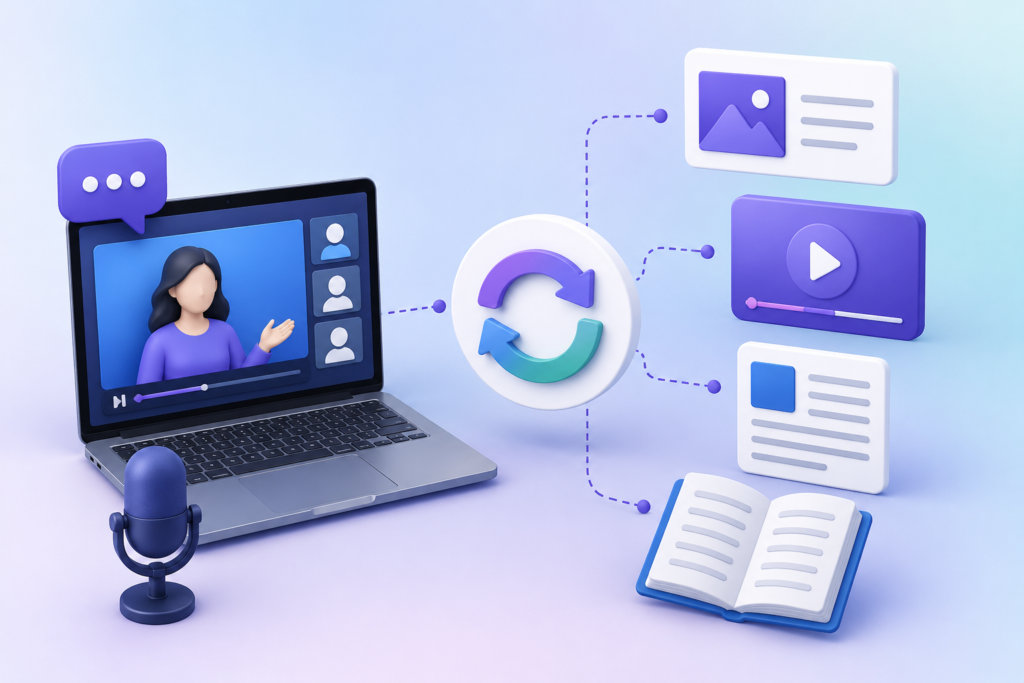
One of the greatest advantages of webinars is their ability to generate reusable content assets. Businesses that repurpose webinar material strategically can extend content lifespan, improve SEO performance, and maximize overall marketing ROI.
Recorded webinars can be transformed into blog posts, video snippets, podcasts, downloadable guides, and social media content. This allows businesses to distribute educational insights across multiple platforms while reaching audiences who may not attend live webinars.
Short-form video clips are especially valuable for modern content marketing. Highlighting key webinar moments, expert insights, or audience questions creates engaging promotional material for social media campaigns. These clips also help attract future webinar registrations by demonstrating the quality and value of previous sessions.
Webinar transcripts provide additional SEO opportunities. Publishing optimized transcripts or summaries on websites improves keyword visibility while making content accessible to broader audiences. Search engines can index written content more effectively than video alone, increasing long-term discoverability.
Educational lead magnets derived from webinars can further strengthen lead generation systems. Businesses can convert webinar presentations into ebooks, checklists, templates, or mini-courses that continue attracting prospects long after the original event concludes.
Frequently Asked Questions
What are webinar promos?
Webinar promos are marketing campaigns designed to increase webinar registrations, attendance, engagement, and conversions. These campaigns often include email marketing, paid advertising, SEO, social media promotion, and automated follow-up systems.
Why are webinar promotions important?
Without effective promotion, even high-quality webinars may fail to attract attendees. Strategic webinar marketing increases visibility, builds credibility, and helps businesses generate qualified leads more consistently.
How far in advance should webinar promotions begin?
Most successful webinar campaigns begin at least two to four weeks before the event. Larger campaigns or competitive industries may require even longer promotional timelines for maximum reach.
Which platform is best for webinar marketing?
The best platform depends on business goals and audience behavior. B2B companies often perform well on LinkedIn, while broader consumer audiences may respond better to Facebook, Instagram, YouTube, or email marketing campaigns.
How can businesses improve webinar attendance rates?
Businesses can improve attendance through reminder emails, calendar integrations, audience engagement campaigns, exclusive bonuses, and compelling live-event incentives.
Are evergreen webinars effective?
Yes, evergreen webinars can be highly effective when implemented transparently and strategically. Automated webinars allow businesses to generate leads continuously while reducing operational demands.
What metrics should businesses track for webinar success?
Important metrics include registration rate, attendance rate, engagement levels, watch time, conversion rate, lead quality, and overall return on investment.
Can webinars improve SEO performance?
Yes. Webinar-related content such as landing pages, blog posts, transcripts, and video clips can improve keyword visibility, attract backlinks, and increase organic traffic over time.
Best Practices Summary for Successful Webinar Promos
Effective webinar promos require a combination of strategic planning, audience understanding, high-quality content, and continuous optimization. Businesses should focus on creating educational experiences that provide genuine value while guiding attendees naturally through the customer journey.
Consistency across channels is essential. Webinar messaging should remain aligned across email campaigns, social media, landing pages, and paid advertisements. Clear communication builds trust while improving brand recognition and conversion performance.
Optimization should be ongoing rather than one-time. Successful businesses continuously analyze campaign data, test new promotional strategies, refine targeting, and improve attendee experiences. Webinar marketing evolves rapidly, and staying adaptable helps businesses maintain competitive advantages.
Technical quality also matters significantly. Fast-loading pages, responsive design, professional audio, reliable webinar platforms, and secure user experiences all contribute to stronger audience trust. Following recommendations from Google Search Console and other authoritative resources helps businesses maintain high-quality digital experiences.
Finally, businesses should prioritize authenticity and expertise above aggressive selling tactics. Educational value remains the core reason audiences attend webinars. Companies that consistently provide useful insights, actionable advice, and trustworthy experiences are more likely to build long-term customer relationships and sustainable growth.
Conclusion
Webinar promos have become an essential component of modern digital marketing strategies. Businesses that effectively combine SEO, email marketing, paid advertising, automation, social media, and audience engagement can generate high-quality leads while building authority within their industries.
As competition for online attention continues to grow, successful webinar promotion requires strategic planning, high-quality execution, and continuous optimization. Companies that focus on delivering genuine educational value while maintaining strong technical and marketing standards consistently achieve stronger results over time.
For businesses looking to scale webinar marketing performance, My Funnel Script provides valuable solutions designed to improve conversions, audience engagement, and marketing efficiency in today’s evolving digital landscape.
Want to Implement This Easily?
Prompt Text
You are an expert consultant. Based on the blog post titled “Webinar Promos”, provide a step-by-step, practical implementation guide. Include tools, best practices, common mistakes to avoid, and advanced tips. Assume the reader wants to implement everything discussed in this article effectively.
Call to Action
Want our help implementing this? Just reach out to us via our website contact form:
Full Sales Funnel Templates Contact Form